


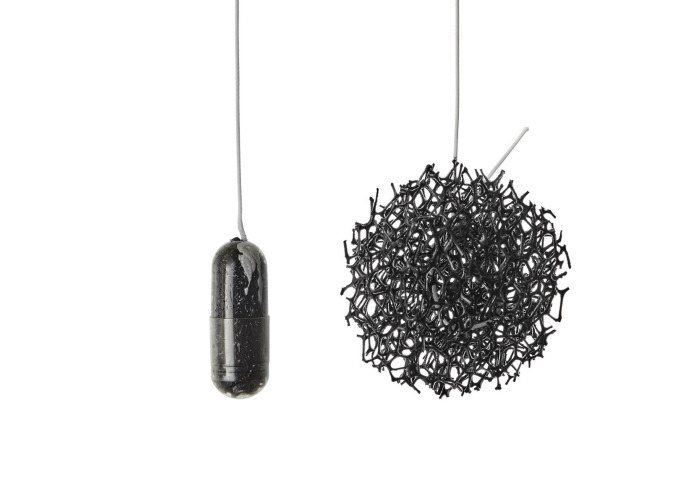
A new ‘sponge-on-a-string’ test will be tried out in the North Central London area to help prevent oesophageal cancer. North Central London Cancer Alliance is working with Cyted Health, community pharmacies, community diagnostic centres, and health innovation specialists, UCLPartners, to pilot the test for people with persistent heartburn or acid reflux.
NHS England has announced that dozens of pharmacies in England will offer new ‘heartburn health checks’ to test for Barrett’s Oesophagus, which can be a precursor to oesophageal cancer. The checks will be available for the first time in community pharmacies in the pilot areas of North Central London and the East Midlands.
The test involves patients swallowing a small pill on a thread, which expands into a penny-sized sponge when it reaches the stomach. After a few minutes, it is safely pulled out to collect cells from the lining of the oesophagus, which are tested for pre-cancerous changes in the lab.
Pharmacists will help spot patients who are regularly using over-the-counter medications to ease their heartburn or reflux symptoms but have not spoken to a GP about their symptoms. The test aims to spot early changes in the lining of the oesophagus that otherwise may have been missed.
The pilot has been made possible by a grant from SBRI Healthcare, which provides development funding to innovators and entrepreneurs to devise solutions to unmet health and care needs.
Ali Malik, Managing Director, North Central London Cancer Alliance said:
“We are committed to harnessing innovation and technology to improve early cancer diagnosis and tackle health inequalities. We’re thrilled to be working on a project that represents a bold step forward and is a great example of what we are achieving by collaborating with partners in different sectors. By working across diverse healthcare settings — including community pharmacies and diagnostic centres — this initiative is uniquely positioned to reach underserved communities and make a real difference.”
Chris Laing, CEO of UCLPartners said:
“It is great to see innovations like Cyted being tested across London. We need diagnostics to move into the community and meet people where they are. We are excited to be evaluating this work and supporting innovations that are addressing health inequalities.”
In North Central London, the pilot is expected to begin in early 2026.