Lung Cancer Screening
Supporting earlier diagnosis of lung cancer
North Central London Cancer Alliance began offering lung health checks in autumn 2022, to support the early detection and treatment of lung cancer. Lung Cancer Screening is offered to local residents between the ages of 55 and 74 who smoke or used to smoke. Public information about Lung Cancer Screening is available at lungchecklondon.org.
Lung Cancer Screening became the fourth national screening service (along with breast, bowel and cervical) in April 2025.
Our latest campaign
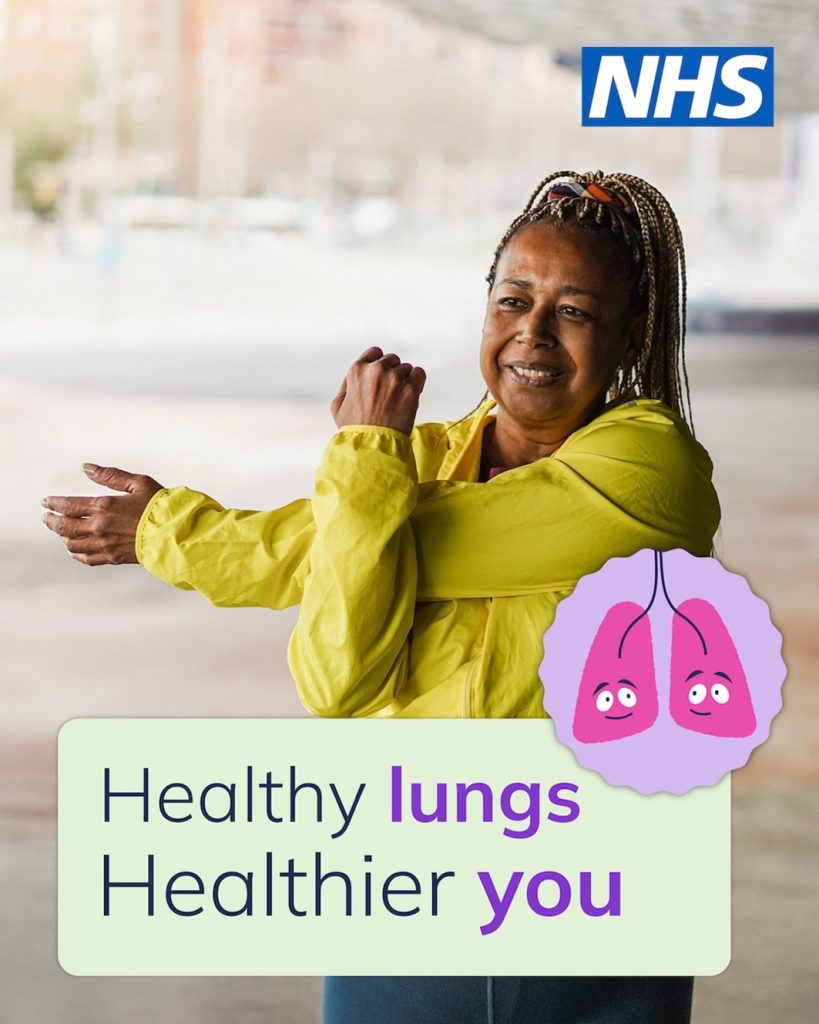
Healthy Lungs Healthier You
The campaign raises awareness that lung cancer can show no symptoms in its early stages and encourages people aged 55-74 who smoke or used to smoke to take up the NHS offer of free Lung Cancer Screening when invited.
Community groups, voluntary organisations and local networks play a vital role in helping people understand the importance of lung health. Your voice can reach individuals who might not hear this message elsewhere, helping them recognise symptoms, trust the screening offer, and act when they receive their NHS letter.
By sharing this campaign, you are helping protect health, strengthen community wellbeing, and save lives.
Why is Lung Cancer Screening important?
- Lung cancer can go undetected during its early stages, as there are often no signs or symptoms.
- Less than 20% of people diagnosed with lung cancer survive for five years or more.
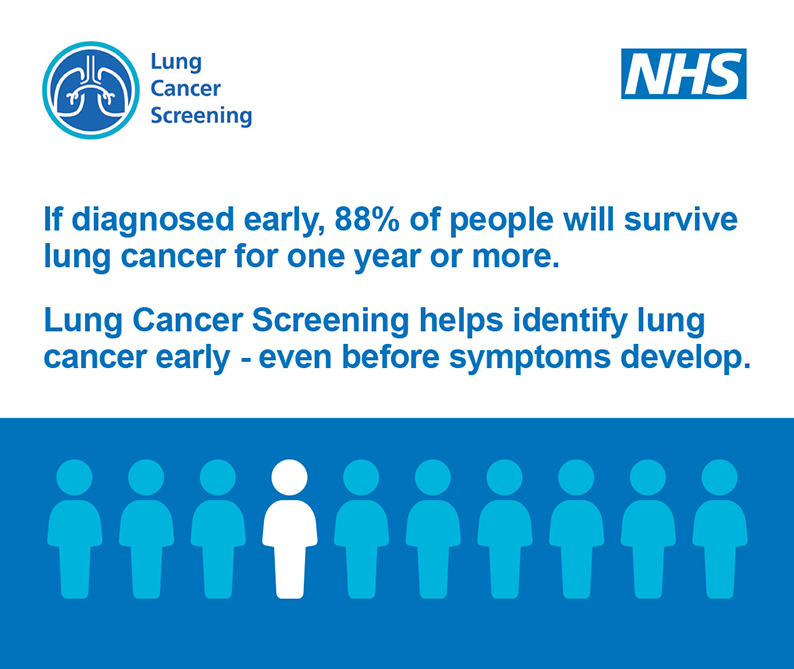
- Lung Cancer Screening helps to detect cancer at an earlier stage, when curative treatment is more possible.
- To date, 80% of lung cancers found through Lung Cancer Screening have been at stage 1 or stage 2, compared to 30% without this kind of intervention.
How can primary care professionals support Lung Cancer Screening?
We need help to raise awareness of the programme and educate the public on the importance of detecting lung cancer early.
Lung Cancer Screening uptake in North Central London is on average 46% which is below the national target of 53%.
Data collected from the programme’s non-attendee survey shows the most common reason given for non-attendance is that people wrongly thought they had been invited by mistake.

GPs and practice staff can:
- Have opportunistic discussions with patients who are eligible for Lung Cancer Screening, to help them make an informed decision about attending an appointment when invited.
- Code the smoking status of patients if not already done, as a correct smoking status is key for invitations to be sent out to eligible patients.
- Direct those eligible for a check to find out more about Lung Cancer Screening on our public-facing website and handing out the participant booklet.
- Display posters (see right) and information leaflets in your practice, when they are sent to you, to help raise awareness.
- Play the animation video on your waiting room screens.
- Provide the public with the relevant information if you receive calls with questions (see FAQs).